
Vastu Shastra, an ancient Indian architectural science, is more than just a set of guidelines for constructing buildings. It is a holistic approach to designing spaces that align the physical, spiritual, and emotional well-being of its inhabitants with the natural energies around them. Rooted in traditional Indian principles, Vastu offers a profound connection between architecture and the cosmic forces that govern our lives, making it a vital consideration for home construction and interior design.
Vastu Shastra is based on the belief that the five elements—earth, water, fire, air, and space—should be in balance within a space to create a harmonious environment. These elements correspond to specific directions, and aligning a home according to these principles ensures that the energy flow, or "Prana," is optimized. By incorporating Vastu principles into architectural planning, one can create a home that fosters health, happiness, prosperity, and peace for its residents.
The key to Vastu-compliant architecture is the directional alignment of the building. For instance:
North and East directions are considered auspicious and bring in positive energies.
South and West directions, when handled improperly, can obstruct the flow of energy and bring about stagnation.
Thus, the orientation of rooms, placement of doors, windows, and even furniture, according to Vastu, becomes crucial. The main entrance, often regarded as the "gateway to the flow of energy," must be aligned in such a way that it attracts positive vibrations. Similarly, bedrooms, kitchens, and living areas should be positioned in directions that enhance the quality of life and provide comfort.
Vastu focuses on the harmonious balance between humans and their surroundings. For example, the correct positioning of a house's foundation, walls, and ceilings can influence the balance of energy within the home. Following Vastu can improve the inflow of natural light, enhance air circulation, and even regulate temperature, making the home more comfortable to live in.
The architectural layout according to Vastu is not only about aesthetics but also about ensuring the structural strength and durability of the building. For instance, positioning the heavy structures in the South and West portions of the house is recommended, as these directions provide stability. Similarly, lighter areas like gardens, patios, and open spaces are suggested to be in the North and East directions.
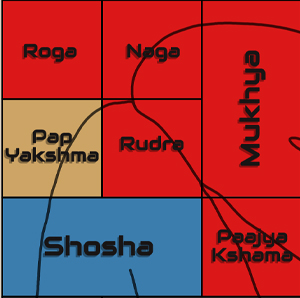
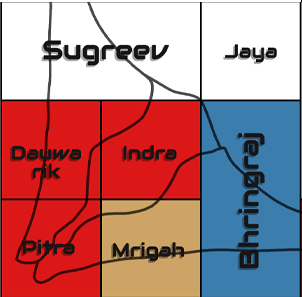
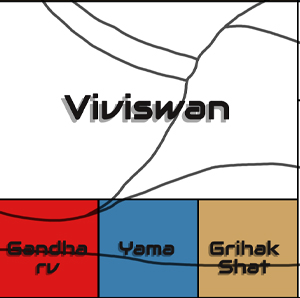
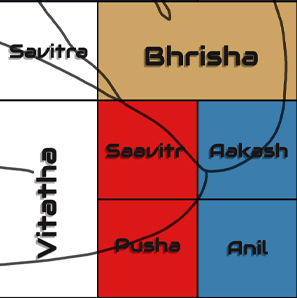
The science of Vastu offers guidelines on maximizing the utility of space within a home. For instance, the center of the house, or the "Brahmasthan," should ideally remain open or have minimal weight to allow a free flow of energy. Corridors and staircases should be placed in directions that do not hinder this flow, promoting vitality and positivity within the home.
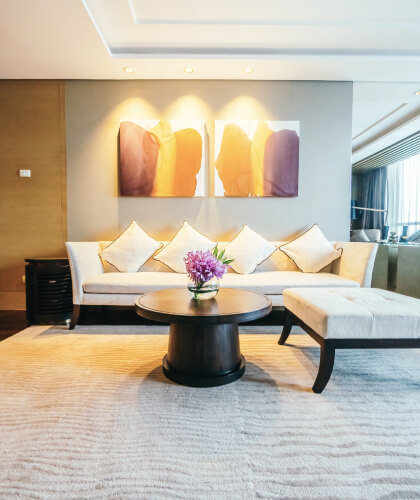
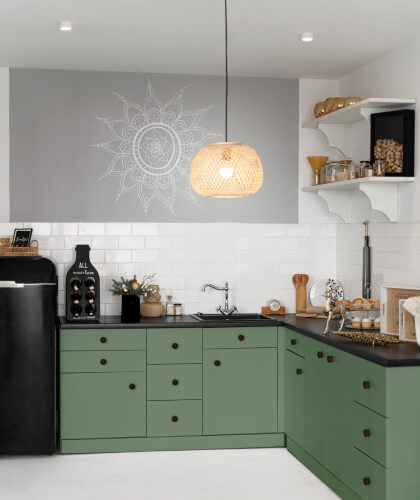
While the principles of Vastu Shastra are often applied to the architectural skeleton of a home, its influence extends to the interiors as well. The placement of furniture, color schemes, and even decorative elements can significantly impact the energy within a space.
According to Vastu, the arrangement of furniture should ensure an uninterrupted flow of positive energy. For instance, placing beds in the South or West direction can enhance sleep quality, while seating arrangements in living rooms facing the East can promote communication and harmony among family members.
Color plays a vital role in Vastu, as it has a direct impact on mood and energy levels. Each direction in Vastu is associated with specific colors and elements. For example, the North-East zone, governed by water, benefits from lighter shades like blue and white, creating a sense of calmness and purity. The South-West, dominated by the earth element, can incorporate earthy tones like brown, ochre, or mustard to provide grounding and stability.
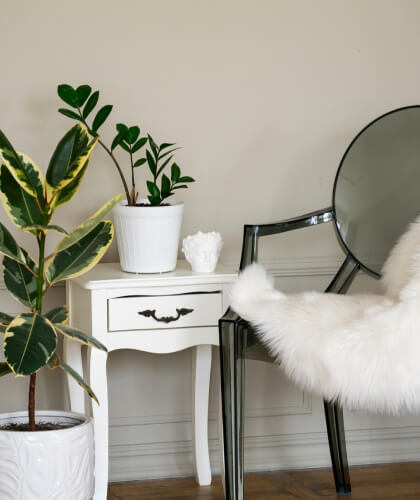
Incorporating natural elements such as plants, water bodies, and natural materials like wood and stone not only adds aesthetic value but also promotes balance in the house. For example, water features like fountains or aquariums in the North-East direction are said to attract prosperity and peace. Mirrors, another key Vastu element, should be placed carefully, as they reflect energy. Placing a mirror in the wrong direction can lead to energy dissipation, while in the right place, it can enhance space and light.
Homes that follow Vastu principles are believed to promote the well-being of their residents. Whether it’s mental peace, physical health, or emotional stability, Vastu-compliant homes are designed to bring balance and harmony. A properly aligned house will not only look aesthetically pleasing but will also feel more welcoming and comfortable. Residents often report a sense of calm, reduced stress levels, and an overall positive environment when they live in Vastu-optimized spaces.
Vastu is known to influence the financial stability of its inhabitants. For example, having the kitchen in the South-East direction, which represents fire, is believed to foster wealth. Similarly, having the home office or workspace in the North direction, governed by the water element, encourages the flow of opportunities and success.
Vastu also emphasizes the importance of spatial arrangement in improving family dynamics. The living room’s placement, the orientation of bedrooms, and even the direction in which family members sit during meals can influence the overall harmony in relationships. For instance, a master bedroom located in the South-West direction is said to promote stability in a marriage.
With the right Vastu orientation, clutter and chaos are minimized, allowing residents to experience mental clarity. Spaces are designed to ensure smooth transitions from one area to another, preventing stagnation in both energy and thought processes.
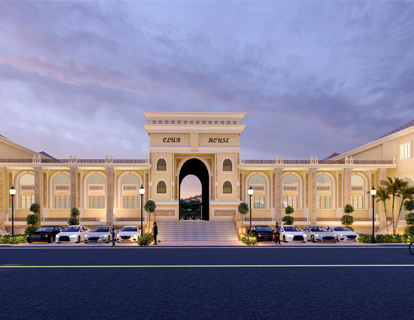
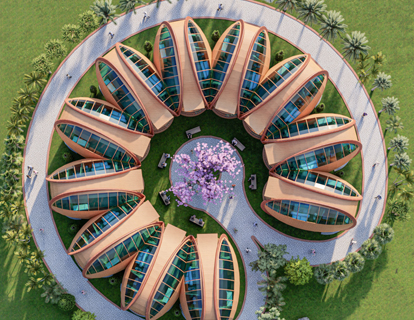
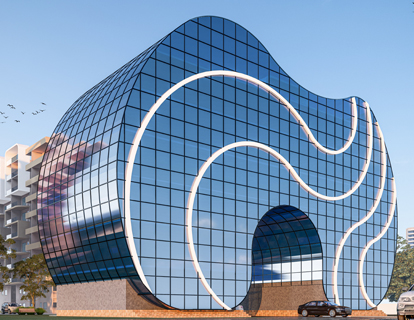
As modern architectural practices evolve, the integration of Vastu Shastra into contemporary design becomes increasingly relevant. While today’s buildings are often designed for functionality, aesthetics, and sustainability, adding the principles of Vastu creates an additional layer of harmony between the built environment and its inhabitants. This fusion of Vastu with modern technology and design offers a holistic approach to building homes that are not only structurally sound and visually appealing but also energetically balanced.
Architects and interior designers today are recognizing the value of Vastu in creating sustainable homes. When combined with environmentally conscious materials and designs, Vastu’s principles can contribute to energy-efficient homes that prioritize the well-being of the residents.
Vastu Shastra is not just a relic of ancient times; it is a living science that continues to influence the way homes are designed today. By aligning the forces of nature with human life, Vastu creates a deep connection between the inhabitants and their environment. A home built with Vastu principles is not merely a structure; it is a sanctuary that nurtures and protects, fostering health, prosperity, and peace for all who live within it.
Whether through architecture or interior design, the principles of Vastu play an integral role in shaping a space that is both functional and spiritually uplifting. It emphasizes that our homes are extensions of ourselves, and when designed with care and attention to Vastu, they become powerful conduits for well-being, success, and harmony.